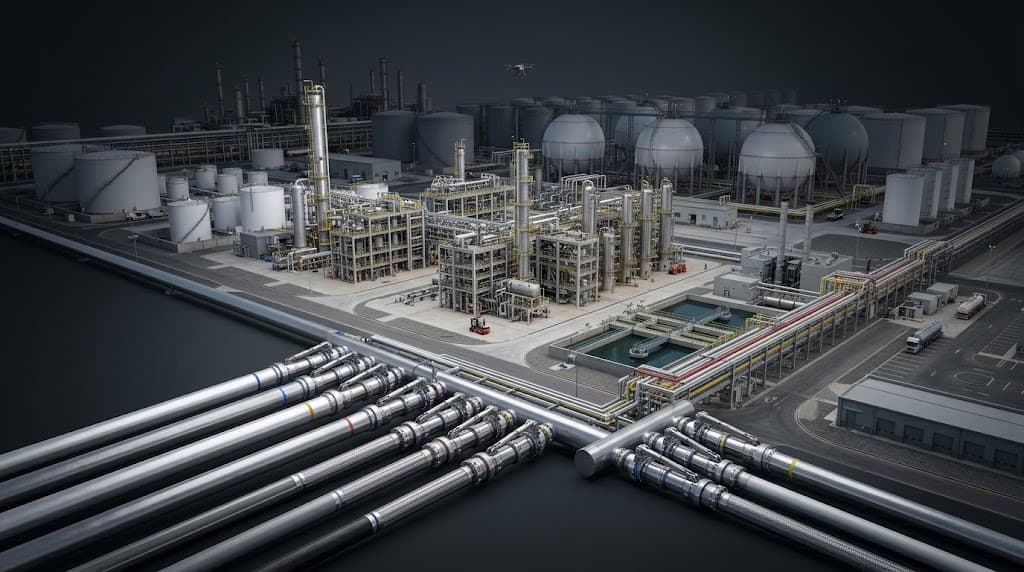
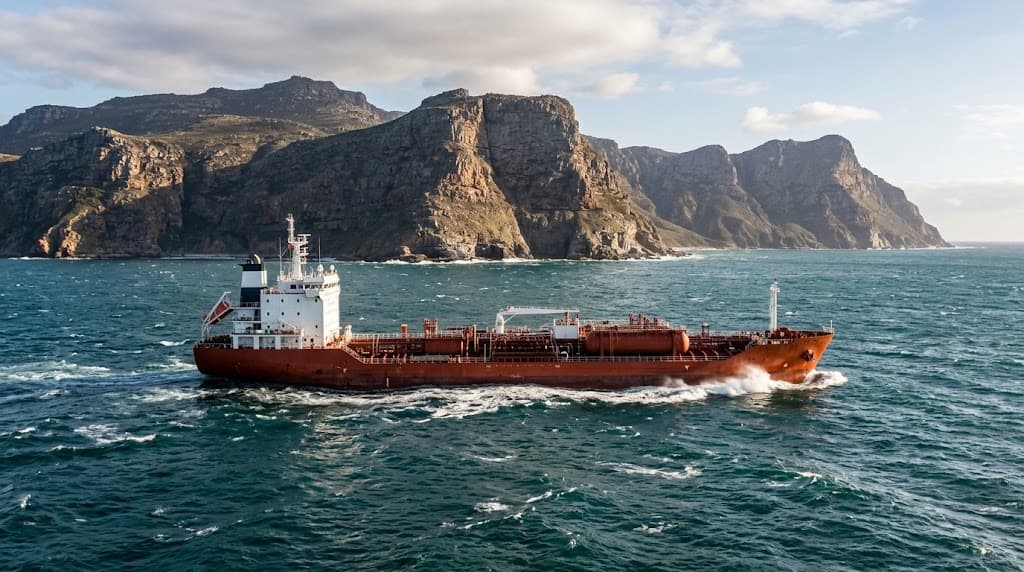
The global chemical shipping industry faced an unprecedented test during the 135-day Hormuz closure. This event forced 2,340 chemical tanker voyages to reroute via the Cape of Good Hope.
The massive diversion added 14 to 21 days to transit times. It also generated €58,000 to €145,000 in additional costs per voyage from fuel consumption, time charter rates and insurance premiums.
The Strait reopened on July 14, 2026. However, Middle East to Europe chemical tanker rates remain stuck at $95 per ton. This represents a 35 percent premium over the $70 per ton rates seen in January 2026.
The Economics of Cape Route Diversion
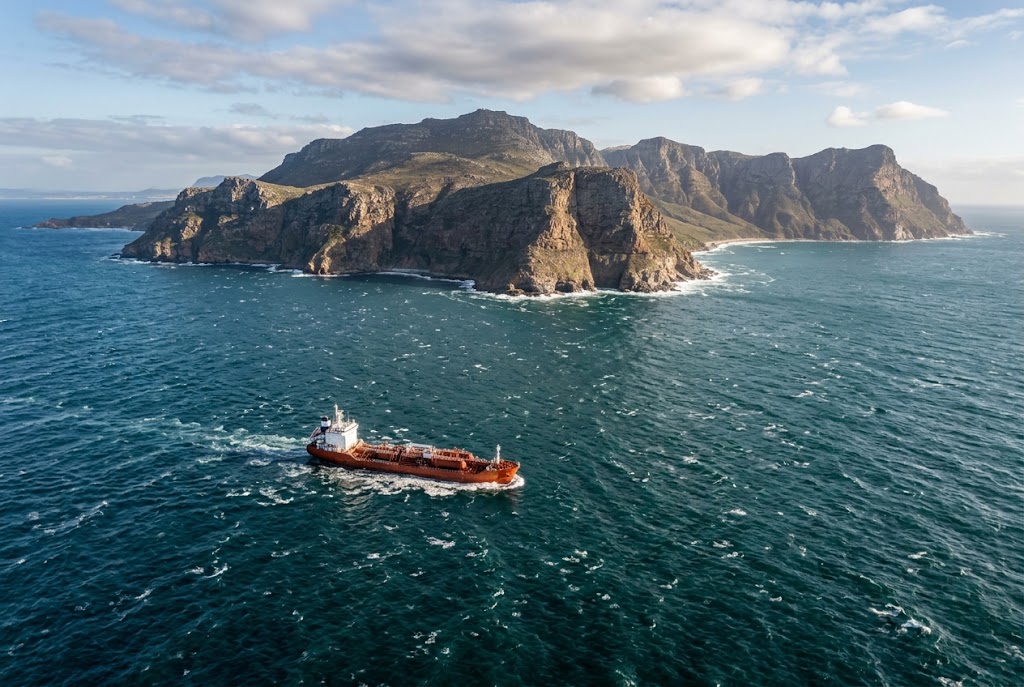
The Cape of Good Hope route adds substantial distance to chemical shipping lanes between Asia, the Middle East and Europe. Vessels traveling from the Persian Gulf to Northwest Europe face an additional 3,400 nautical miles when bypassing the Suez Canal and Hormuz Strait. This extended journey translates directly into higher operational expenses.
Fuel consumption represents the largest cost component for these extended voyages. A typical chemical tanker burning 30 to 40 metric tons of marine fuel per day incurs an extra €25,000 to €40,000 in bunker costs alone. Time charter rates compound this burden since vessel operators charge daily fees that accumulate rapidly over extended transit periods.
Insurance premiums spiked during the Hormuz crisis. War risk coverage became mandatory for vessels transiting the conflict zone.
Insurers maintain elevated rates reflecting ongoing geopolitical tensions in the region. Ship operators now factor these persistent costs into their pricing models.
Current Market Conditions Post-Reopening
The chemical shipping market has not returned to pre-crisis equilibrium. Market data shows rates stabilizing at elevated levels rather than declining toward January 2026 benchmarks. This stickiness suggests structural changes in supply and demand dynamics beyond temporary disruption effects.
Maersk Tankers and Stolt-Nielsen report that 15 to 20 percent of chemical tanker capacity remains committed to longer Cape routes. This reflects several factors. Cargo backlog from the crisis period, ongoing security concerns and contractual obligations lock vessels into extended routing patterns.
Port congestion in European hubs like Rotterdam and Antwerp persists. Delayed arrivals from Cape-diverted vessels create scheduling bottlenecks. Chemical importers face extended inventory cycles and must maintain larger safety stocks to buffer against delivery uncertainties.
Key Factors Influencing Route Selection
Chemical shippers evaluate multiple variables when choosing between Suez-Hormuz and Cape of Good Hope routing. Security considerations dominate decision-making for high-value specialty chemicals and hazardous cargoes. Loss or delay carries severe consequences for these products.
Geopolitical risk assessments and insurance requirements dictate baseline routing safety.
Cargo urgency and inventory carrying costs determine acceptable transit times.
Vessel availability and charter rate differentials impact overall freight budgets.
Seasonal weather patterns affect Cape route navigability and scheduling reliability.
The calculus differs significantly between bulk commodity chemicals and high-margin specialty products. Commodity shippers prioritize cost minimization and may accept longer transit times.
Specialty chemical exporters serving just-in-time manufacturing customers cannot tolerate extended delays. They will pay premium rates for reliable Suez routing.
Regional Trade Flow Implications
The Cape route diversion reshapes chemical trade patterns across multiple regions. European chemical manufacturers face higher input costs for Middle Eastern feedstocks like ethylene glycol, methanol and caustic soda. These cost increases flow through value chains affecting downstream plastics, pharmaceuticals and industrial chemical production.
Asian exporters to Europe encounter competitive disadvantages. Freight costs erode price competitiveness versus regional suppliers.
This dynamic encourages nearshoring strategies and regional supply chain development. Such shifts could permanently alter global chemical trade flows.
Middle Eastern petrochemical producers experience mixed impacts. They benefit from strong European demand.
Extended shipping times reduce their ability to respond quickly to market opportunities. Some producers accelerate investments in European storage terminals to maintain service levels.
Sustainability and Carbon Footprint Considerations
The environmental implications of Cape route shipping receive increasing scrutiny. Chemical buyers focus heavily on Scope 3 emissions reduction. The additional 14 to 21 days at sea generates approximately 800 to 1,200 metric tons of additional CO2 emissions per chemical tanker voyage.
Chemical companies with net-zero commitments face difficult trade-offs. They must balance supply chain resilience against carbon footprint targets.
Some buyers now include emissions criteria in freight procurement decisions. They favor shorter routes even at premium pricing.
The International Maritime Organization carbon intensity regulations add regulatory pressure. Ship operators must optimize routes and reduce emissions.
Cape route voyages face greater compliance challenges due to extended distances. This trend could create a two-tier freight market based on environmental performance.
Strategic Planning for Chemical Procurement Teams
Procurement managers must adapt sourcing strategies to account for persistent freight rate volatility. Long-term supply contracts should include flexible routing clauses. These contracts must also feature freight cost adjustment mechanisms reflecting actual shipping conditions.
Diversification of supply sources reduces exposure to single-route disruptions. European chemical buyers increasingly qualify Asian and Middle Eastern suppliers.
These suppliers must offer alternative routing options or maintain regional inventory buffers. This redundancy carries costs but provides insurance against future geopolitical shocks.
Collaboration between chemical traders, logistics providers and end users improves visibility. Real-time freight rate monitoring and scenario planning enable faster response to emerging disruptions. Companies investing in supply chain analytics capabilities gain competitive advantages.
The Bottom Line for Chemical Importers and Exporters
The chemical shipping industry operates in a new normal. Elevated freight rates, routing flexibility requirements and heightened geopolitical risk awareness define this era. The 35 percent premium in Middle East-Europe rates reflects structural cost increases from insurance, security and operational adjustments.
Chemical traders and procurement teams must build these realities into their cost models. The era of assuming stable, low-cost shipping lanes has ended. Success requires proactive risk management, supply chain diversification and willingness to pay for reliability.
Ready to source chemicals from verified global suppliers? Explore competitive offers on our platform today.
Sources
https://www.imo.org/en/MediaCentre/HotTopics/Pages/Hormuz-Cape-Route-Shipping-Economics-2026.aspx
https://www.maersk.com/news/articles/2026/08/10/chemical-tanker-freight-rates-market-update
https://www.stolt-nielsen.com/insights/reports/2026-global-chemical-logistics-routing-analysis.pdf
Monoethylene glycol CAS: 107-21-1