Introduction: Why Borax Anhydrous Matters
Borax anhydrous, a refined form of sodium borate, is a powerful industrial mineral derived from boron. It plays a vital role across various global industries.
Its unique thermal and chemical stability makes it indispensable in manufacturing applications that demand resistance to high temperatures, chemical buffering, and consistent structural integrity.
This article explores the top five industrial applications of borax anhydrous—highlighting its contribution to modern materials processing, especially in the glass and ceramics sectors.
Understanding Borax Anhydrous: Properties and Composition
Borax anhydrous (Na2B4O7) is a white crystalline powder composed of sodium, boron, and oxygen. Unlike its hydrated forms (e.g., borax decahydrate), the anhydrous version contains no water molecules, making it ideal for high-temperature processes.
Key industrial properties:
-
High thermal resistance
-
pH buffering capacity
-
Fluxing capability
-
Chemical stabilizer
These features make it a highly sought-after ingredient in high-performance manufacturing systems, including electronics, glassware, metallurgy, and detergents.
Application #1: Glass Manufacturing
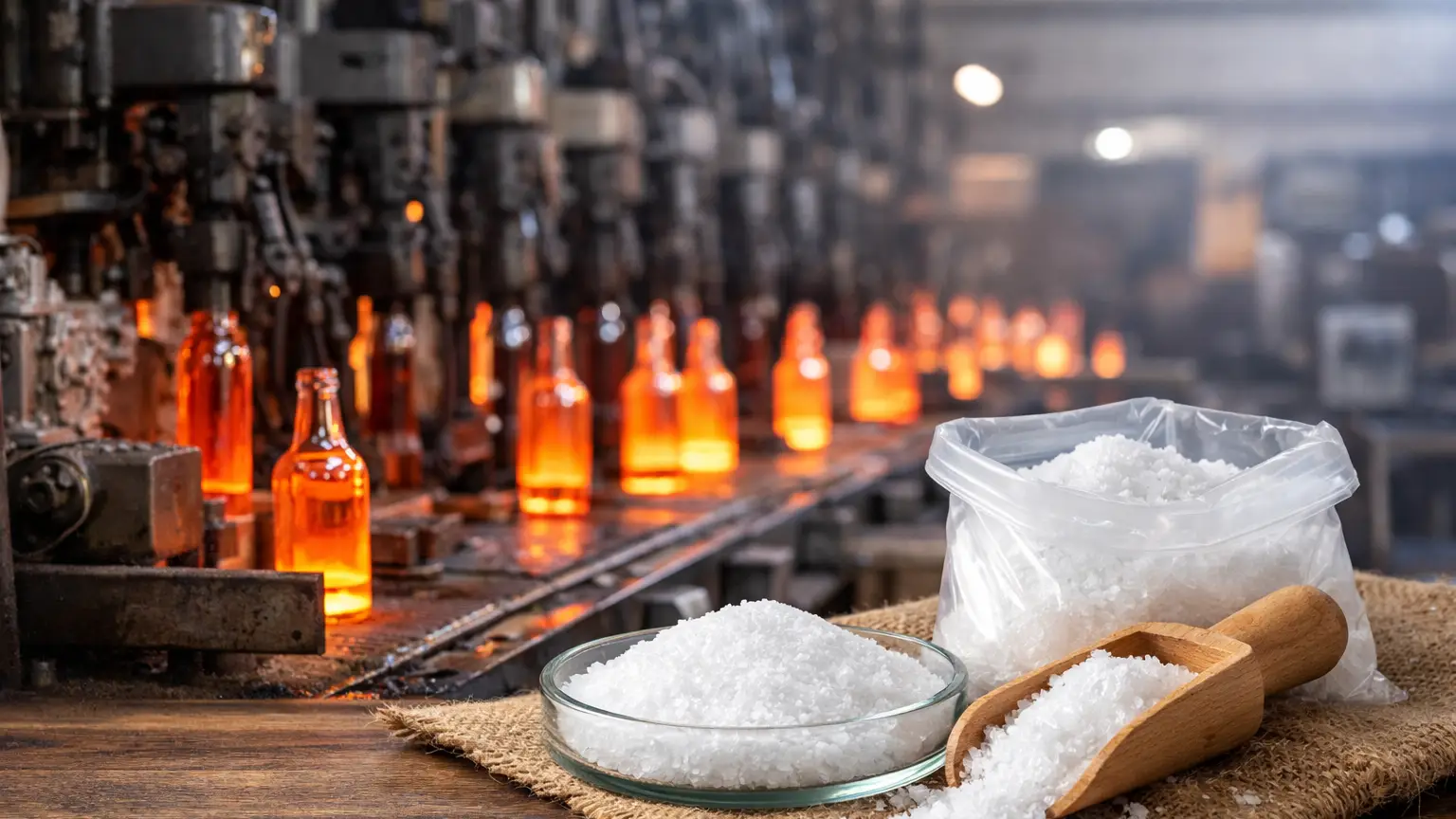
One of the most critical uses of borax anhydrous is in glass production. It acts as a fluxing agent, reducing the melting point of silica and other oxides used in glass formulation.
Benefits:
-
Enhances optical clarity and surface finish
-
Improves thermal shock resistance
-
Reduces energy consumption during manufacturing
Applications include:
-
Borosilicate glass (labware, cookware)
-
Display panels and screens
-
Fiberglass and insulation
-
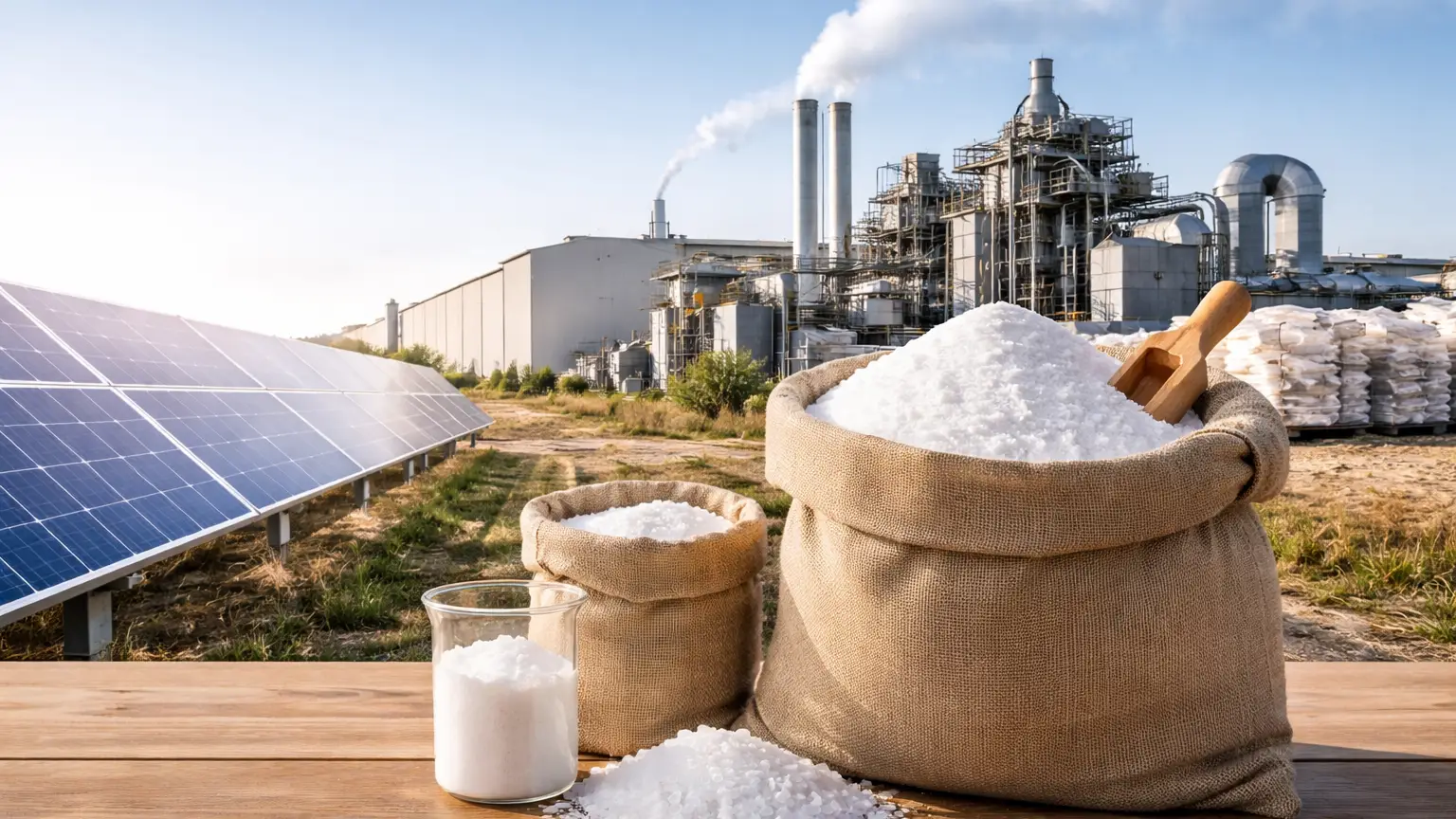
Solar glass for energy systems
The glass industry depends on borax to deliver durability, transparency, and performance in temperature-variable environments.
Application #2: Ceramic Glazes and Enamels
Borax Anhydrous is a cornerstone in ceramic glaze and frit production. It lowers the vitrification temperature, allowing smooth, even melting and better adhesion.
Key Advantages:
-
Improves glaze smoothness and uniformity
-
Enhances surface hardness, gloss, and chemical resistance
-
Reduces firing temperatures, saving energy and cost
Typical products:
-
Wall and floor tiles
-
Sanitaryware
-
Porcelain and enamel-coated metal
-
Artistic and decorative ceramics
It also increases resistance to wear and corrosion—essential for ceramic goods exposed to moisture or heat.
Application #3: Metallurgy and Welding
In metallurgical operations, borax anhydrous acts as a cleaning flux that dissolves metal oxides, prevents reoxidation, and purifies molten metals.
Uses:
-
Refining gold, silver, and copper
-
Soldering and brazing alloys
-
Producing aluminum and steel
-
Supporting arc stabilization in welding
This ensures cleaner melts, better metal flow, stronger bonds, and fewer impurities—essential in electronics, automotive, aerospace, and construction materials.
Application #4: Detergents and Industrial Cleaners
Borax is widely used in household and industrial cleaning formulations due to its multifunctional chemical behavior.
Functional roles:
-
Softens hard water
-
Stabilizes enzymes and bleach
-
Buffers pH in detergent systems
-
Provides antimicrobial and deodorizing action
Common products:
-
Powder laundry detergents
-
Dishwashing agents
-
Institutional degreasers
-
Industrial surface cleaners
Its eco-friendly profile and versatility make it a green solution in commercial and consumer cleaning brands.
Application #5: Flame Retardants and Thermal Insulation
Borax anhydrous is extensively used in fireproofing materials and thermal insulation systems.
Benefits:
-
Enhances fire resistance by promoting char layer formation
-
Reduces smoke production
-
Increases thermal insulation stability
-
Prevents combustion in cellulose and polymer-based materials
It’s commonly used in:
-
Fire-retardant wood panels
-
Cellulose insulation
-
Electrical cable coatings
-
Flame-resistant fabrics
Borax is also compatible with green building certifications like LEED due to its low toxicity and non-corrosive nature.
The Global Borax Supply Chain and Trade Insights
Borax is primarily sourced from large borate-rich deposits in:
-
United States (Rio Tinto’s U.S. Borax in California)
-
Turkey (Eti Maden, one of the world’s largest producers)
-
Chile and Argentina (industrial borates and ulexite mines)
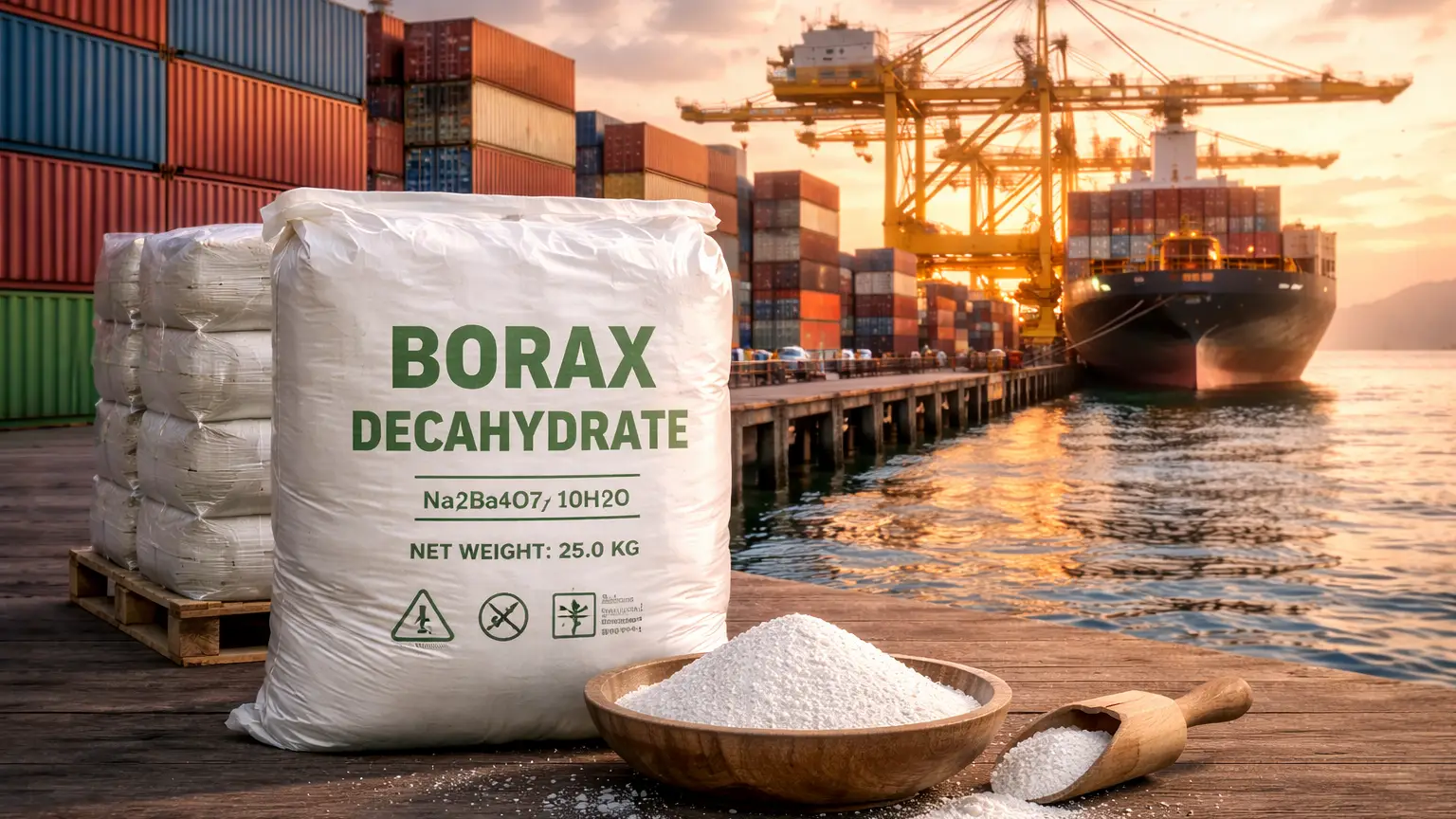
Borax is shipped globally in anhydrous or hydrated forms depending on the industrial need. Demand continues to rise due to:
-
Growth in solar panel glass
-
Expansion of ceramics and tiles
-
Urbanization and fire safety regulations
-
Increased detergent and hygiene product use
According to Research and Markets, the global borax market is projected to see steady growth due to its role in sustainable manufacturing and energy-efficient materials.
Conclusion: The Future of Borax Anhydrous in Industry
Borax Anhydrous is not just a chemical—it's an enabler of innovation. From clear borosilicate glass to ceramic coatings, fireproof panels to detergent powders, its uses span every essential industrial segment.
Its ability to enhance heat tolerance, lower processing energy, and improve product performance makes it a strategic raw material for future-forward industries.
As green technology, clean energy, and advanced construction methods gain traction, the demand for boron-based materials like borax anhydrous will only grow.